

What You Need To Know About Sperm Antibodies

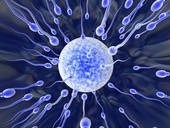
She’s ovulating, doesn’t have any hormonal imbalances nor reproductive system disorders, and her partner’s sperm is normal. So why can’t they get pregnant?
Continue readingNatural Ways to Increase Fertility: Essential Fatty Acids


Imagine building a house without some of the essential materials. Well it simply wouldnt work, it would be leaky, drafty, insufficiently insulated, and would probably collapse during the first storm.
Our cells are no different to a house. They all have a blueprint (DNA) and are meant to be constructed according to the plan. However when the body makes a request for a particular nutrient to complete the cell construction, it gets a message that the reserves are empty or being held only for the key organs, needed to keep you alive.
Continue readingDon’t Greenwash Your Fertility With Endocrine Disruptors


A lot of products we buy today claim to be environmentally friendly and natural. This is especially common in cosmetics, personal hygiene products and household cleaning products. They are the products which have been shown to be the main culprit in toxic chemical overexposure robbing you of your fertility.
Continue readingThe Missing Link: Sleep and Fertility


Getting pregnant and growing a new human being requires a huge amount of spare nutrients and spare energy. In body’s accounting terms, pregnancy is a luxury, a splurge of energy and nutrients. Do you give your body enough rest and feed it enough nutrients? Sleep plays a major role in energy conservation, healing, metabolism, mental wellbeing, good memory, learning and you guessed it – fertility!
Continue readingKeep it Cool – Ways to Increase Sperm Count


Today we’ll have a better look at why seemingly trivial issues such as cotton vs. polyester underwear and electric blankets can be of great importance for your fertility.
Continue readingFoods to Increase Fertility


In the first trimester of the pregnancy the growing embryo increases 20 million times. In the first 8 weeks of pregnancy your baby’s organs, hands, fingers, legs, feet, head, eyes, nose, ears etc..have been constructed. To ensure that during this phase all the foundations are laid down properly, you want to make sure that there are plenty of building blocks in the form of nutrients and no toxins and nasty bacteria and moulds which could infect the embryo and cause severe damage and could potentially result in malformations or a miscarriage.
Continue readingBoost Male Fertility Naturally – 9 ways

Men are more sensitive to heavy metal toxicity than women when it comes to reproductive health and fertility.
Continue readingCauses of Infertility – Common Drugs & Conditions


Unless your doctor informed you about it, the likelihood of you knowing which common drugs could be, unbeknown to you, causes of infertility, is very small. Here is a comprehensive list of drugs and conditions you should be aware of; Drug What’s it used for? How if affects fertility Anabolic steroids To build muscle Interferes […]
Continue readingHostile Cervical Mucus? How to Stay Sperm Friendly


The road from home to the uterus can be a very treacherous and arduous adventure for the sperm!
Continue readingPreparing Your Body To Get Pregnant


If you plan your pregnancy ahead you’ll save yourself a lot of headaches and heartaches in the long run. And remember it takes two to tango, so make sure your partner is planning with you!
Continue readingWhat Can Cause Infertility – Bad Habits You Should Quit


Did you know that Trans fats hidden in foods such as; doughnuts, chocolate, chips, pies, take aways and thousands of other foods can increase risk of fertility problems by 70%? Scientists from Harvard University School of Public Health recommend to woman wanting to get pregnant to AVOID all Trans fats.
Continue readingFertility and Age – How to Stay Fertile Longer


According to the American Fertility Association a woman’s fertility begins to decline in the late 20’s, drops more sharply after 35 and plummets when she hits 40. After the age 30, the probability of getting pregnant naturally drops by 3%-5% per year and even faster after the age of 40!
Continue readingIVF Side Effects and Costs – Optimize Your Natural Fertility First!


A study by Foresight, the Association for Pre-conceptual healthcare in the United Kingdom shows that couples going through IVF are up to 47% more successful if they used pre-conceptual health care program first.
Continue readingHow to Prevent Miscarriage – 5 Ways


According to the National Infertility Association and contrary to the common belief, as many as 70% of pregnancies may end in miscarriage! With more than 50% of losses going undetected and mistaken for a period. Formerly it was believed that only 15-20% of pregnancies end in miscarriage. Those figures seem small to the alarmingly high numbers reported today.
Continue reading