

Category Archives for Fertility Detox
The Dynamics Between Heavy Metals and Infertility
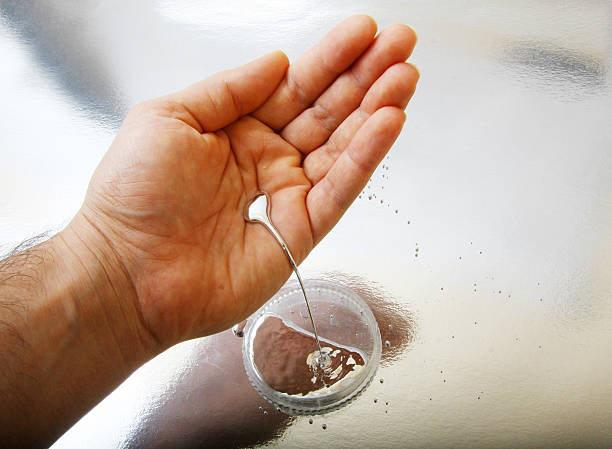
In conception, every element of health plays a vital role, but some disruptors move invisibly among us, undermining fertility often without a whisper of their presence. Among these silent adversaries are heavy metals—substances like lead, mercury, and arsenic, pervasive in our environment yet often overlooked as a potential root cause of infertility. This article explores […]
Continue readingUnderstanding the Link Between Heavy Metals and Fertility


The journey to conception can be affected by various environmental factors, among which exposure to heavy metals is a less discussed yet significant concern. This article explores the often-overlooked connection between heavy metals and fertility, offering insights and strategies to mitigate their impact. The Hidden Threat of Heavy Metals Understanding Heavy Metals: Heavy metals such […]
Continue readingCan Toxins in Your Makeup Impact Fertility? A Deep Dive into Cosmetic Ingredients


Every day, many of us apply numerous personal care products, blithely unaware of the cocktail of chemicals we’re introducing to our bodies. Yet, with rising concerns about the environment and health, it’s crucial to address the elephant in the room: How do these toxins, especially those lurking in your makeup, impact fertility? Let’s embark on […]
Continue readingTreating Women’s Infertility – Interview on the Wellness Hour


I was recently invited to talk on treating women’s infertility with Randy Alvarez, host of the Wellness Hour.
Continue readingHow Come I Can’t Get Pregnant? Pesticides – A Risk Not Worth Taking


If you can’t get pregnant you may want to consider your pesticide exposure.
Continue readingTips on Becoming Pregnant – 10 Ways to Shorten Your Time to Pregnancy


Are you looking for tips on becoming pregnant? Here are ten useful tips to help you conceive quickly.
Continue readingHow to Increase Male Fertility: Choices That Will Make Him More Fertile


One of the most common mistakes when trying to conceive is to overlook the importance of male fertility and knowing how to increase male fertility. Despite the relative simplicity of the male reproductive system, men’s infertility is responsible for nearly half of the couples seeking help conceiving. Many of these couples are struggling with low sperm count, abnormal sperm morphology (structure), poor motility and difficulty fertilizing thhow to increase male fertilitye egg.
Continue readingFertility Problems – Overcome Them Naturally


Very few couples expect fertility problems when they begin trying to start a family. For many, the simple act of expressing love for each other is enough to create a child. However, for millions of people, this is not enough. Approximately one-third of the problems that they face can be traced back to female health problems but as many couples are unable to conceive because of male health concerns. The last third is made up of men and women who are both infertile. However, many of the obstacles that infertile couples face can be prevented. Here are some of the common fertility problems many couples face.
Continue readingCauses of Infertility – How to Treat Them?


The most efficient way to conceive a baby is to identify the most common causes of infertility and to minimize or remove them from your life. In some cases, the solutions are simple and painless. Other times, the problem has infiltrated every aspect of our existence, making limiting its influence difficult at best.
Continue readingTips To Help Get Pregnant – Things Your Gyno Should Have Told You


Many couples choose natural tips to help get pregnant in order to help improve their fertility. Here we share 5 tips you and your partner can try to improve your fertility, naturally.
Continue readingFertility Diet – The Smart Way to Get Pregnant


A fertility diet can boost your chances of pregnancy, but it takes at least 3 months for dietary changes to be effective.
Continue readingInfertility Solution – 100% Natural and Effective

Struggling with infertility? Looking for the right infertility solution for you? My bestselling online natural fertility program may be able to help you. Watch the video to learn more and visit our success stories to hear how it helped countless couples around the world become happy parents of beautiful healthy babies. If we can get […]
Continue readingHaving Difficulty Getting Pregnant? Choices That Will Make You More Fertile


Nowadays couples wait until they are 30 years old and older before they decide to have children. Some of them may end up having difficulty getting pregnant. Below are 5 tips that will improve your fertility and help you conceive. Are You Having Difficulty Getting Pregnant? 1. Stop using microwave oven. Microwave ovens work by […]
Continue readingIVF For Male Infertility – Is IVF The Only Solution?


Most people are under the impression that only women have a biological fertility clock. Unfortunately, men have a biological clock as well. Men may not experience menopause but when they are over 35 years of age, sperm quantity and quality start declining. Before considering IVF for male infertility, here are the facts which you and […]
Continue readingNatural Ways to Combat STD and Infertility


STD and Infertility The link between having an STD and infertility could be the reason why you’re not getting pregnant. Natural ways to increase fertility include treating sexually transmitted diseases (STDs) in order to avoid the negative effects that exist with an STD and infertility. Chlamydia Chlamydia is caused by a bacteria you can get […]
Continue reading