

Unlocking Potential: The Role of Exosomes in Enhancing Human Fertility
Exosomes, small extracellular vesicles, are crucial for intercellular communication and may significantly impact reproductive biology and fertility.
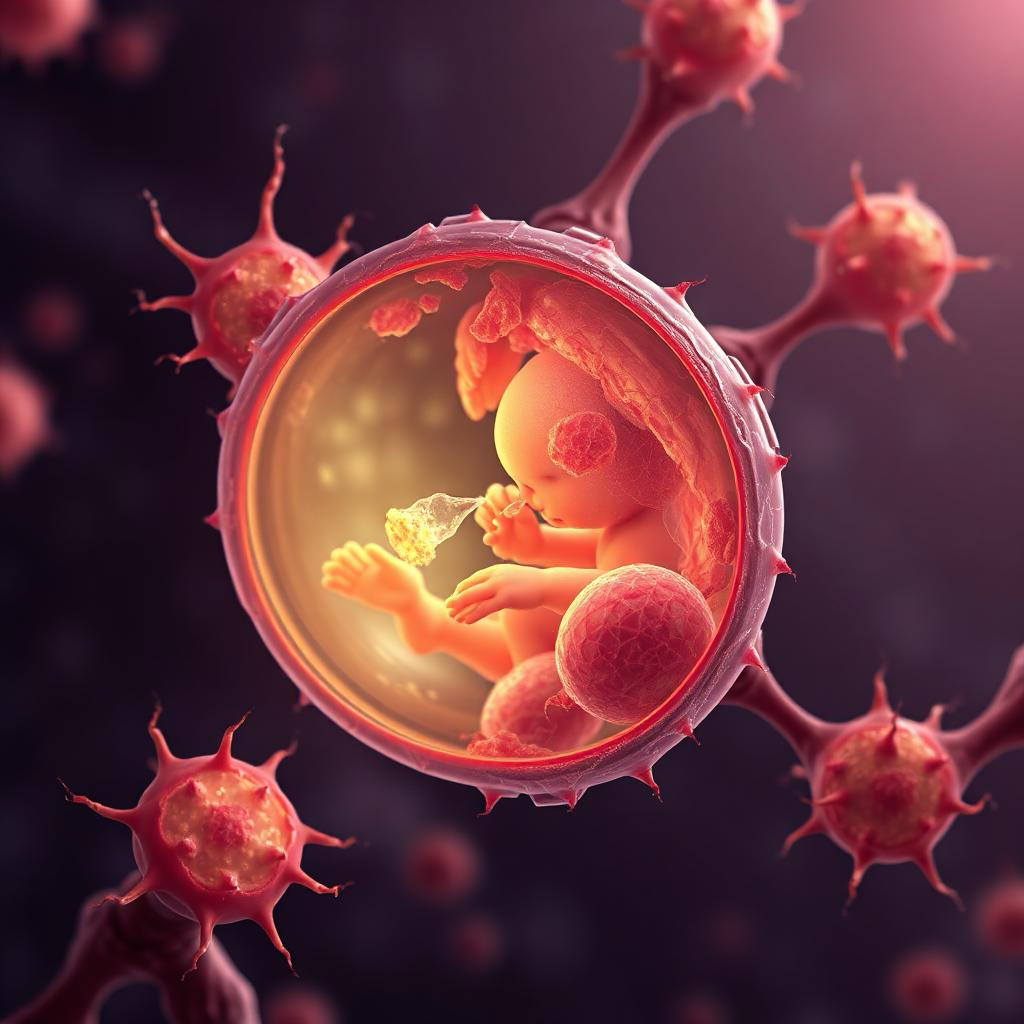
What are Exosomes or EVs?
They are tiny membrane-bound structures released by cells, carrying proteins, lipids, and genetic material. They act as messengers, delivering information between cells and influencing their behavior. Their roles include immune responses, cell growth, tissue repair, and waste removal. They are also being investigated as disease biomarkers and drug delivery vehicles.
Their roles include:
- Gamete (egg and sperm cell) Interaction: Mediating communication between sperm and the female reproductive system, influencing sperm function and fertilization.
- Endometrial Preparation: Signaling endometrial receptivity for embryo implantation, affecting pregnancy success.
- Ovarian Function: Influencing follicle development and oocyte quality through the transport of microRNAs, proteins, and lipids.
- Immune Modulation: Modulating the maternal immune response during pregnancy to promote fetal tolerance.
These functions suggest exosomes could serve as biomarkers for fertility assessment and therapeutic targets. Further research is needed to fully understand their mechanisms and develop clinical applications.
Exosomes and Fertility: Key Points
Exosomes, tiny vesicles transporting proteins, RNAs, and lipids, influence various aspects of fertility:
- Follicular Development: Ovarian-derived exosomes are involved in follicle development and oocyte quality.
- Semen Exosomes: Affect sperm maturation, motility, and interaction with the female reproductive tract.
- IVF Outcomes: Exosomal content in culture media may predict embryo quality, improving IVF success.
- Endometrial Receptivity: Endometrial exosomes signal embryo receptivity, impacting implantation.
- Immune Tolerance: Exosomes modulate immune responses, preventing embryo rejection.
Nutrients Supporting Healthy Exosome Function
Maintaining healthy exosome function requires overall cellular health. Key nutrients include:
- Omega-3 Fatty Acids: Maintain membrane integrity and promote exosome formation (found in fish oil, flaxseeds, walnuts).
- Vitamins A, C, D, & E: Support cellular health, protect against oxidative stress, and influence exosome secretion and function (found primarily in animal foods, and some vegetables and fruits).
- B Vitamins: Essential for cellular metabolism and exosome release (found in leafy greens, beans, whole grains, animal proteins).
- Zinc & Magnesium: Support cellular processes and membrane integrity (found in oysters, meat, beans, nuts, and many other foods). Key minerals for fertility involved in over 200 enzymatic actions!
- Glutathione: GSH is intrinsically linked to exosome biology, influencing their formation, cargo loading, and functional roles. Its antioxidant properties are critical in ensuring efficient exosome production and the delivery of protective molecules to recipient cells, thereby impacting cellular communication and response to stress.
- Polyphenols: Antioxidants enhancing cellular health and exosome function (found in berries, spinach, tea, dark chocolate).
- Collagen: Collagen can be broken down into smaller fragments (collagen peptides) within the cell, and these fragments can be packaged into exosomes. Enzymes involved in collagen breakdown may release factors affecting exosome biogenesis or cargo loading. The cellular microenvironment, significantly influenced by the ECM (extra cellular matrix) composition and structure, affects exosome biogenesis and release. Changes in collagen levels or organization in the ECM can influence exosome production.
- Protein: Essential for exosomal protein synthesis (found in lean meats, dairy, legumes, nuts).
- Hydration: Crucial for overall cellular function and exosome secretion.
A balanced diet rich in these nutrients, along with a healthy lifestyle, promotes optimal exosome function. Book a consultation for personalized advice.
Age and Exosomes
Exosome production and content may decline with age, impacting fertility and overall health. The older you are, the more you’ll need to support the exosome function with dietary and lifestyle measures and supplements.
The Reproductive Microenvironment and Exosomes
The reproductive microenvironment significantly influences exosome production and function. Factors affecting this include:
- Cellular Interactions: Interactions between gametes, somatic cells, and immune cells through exosomes.
- Extracellular Matrix (ECM): ECM composition and organization affect cell communication, influenced by exosomes carrying ECM components.
- Hormonal Influences: Hormones like estrogen and progesterone affect exosome release and content.
- Inflammation: Chronic inflammation alters exosome profiles.
- Oxygen Levels: Oxygen tension influences cellular metabolism and exosomal content.
Changes in this microenvironment with age or other factors can alter exosome profiles, affecting reproductive health.
Electromagnetic Radiation (EMR) and Exosomes
While research is ongoing, some studies suggest EMR can affect exosomes:
- Exosome Release: EMR might influence exosome release, changing their quantity and composition.
- Content Alterations: EMR may alter exosomal molecular content, impacting their function.
- Cellular Stress: EMR-induced cellular stress can alter exosomal output.
Science is an ever-expanding field, and we are learning more and more about our incredible bodies and how they function. The role of exosomes for fertility cannot be ignored and treatments for enhancing natural fertility need to encompass this newly discovered player in fertility, conception, and pregnancy.
References:
- Almiñana, C., et al. (2019). “Extracellular Vesicles in Reproductive Biology: The Different Roles They Play.” Biology of Reproduction, 100(6), 1340-1352.
- Bai, Y., et al. (2022). “Electromagnetic field exposure induces alterations in the contents of exosomes in human cells.” Environmental Research Letters.
- Falcioni, L. et al. (2018). “Toxicity of radiofrequency electromagnetic field exposure in human cells: data from in vitro studies.” Environmental Research.
- Huang, G., et al. (2021). “Extracellular vesicles in the female reproductive system: implications for fertility and reproduction.” Frontiers in Cell and Developmental Biology, 9, 646804.
- Kalluri, R. (2016). “The biology and function of exosomes in cancer.” Journal of Clinical Investigation, 126(4), 1203-1211.
- Karami, S., et al. (2023). “The Role of Exosomes in Implantation: A Comprehensive Review.” Journal of Reproductive Immunology, 154, 103776.
- Miyake, M., & Ohsawa, I. (2010). “Electromagnetic fields induce cell stress and exosome release in human endothelial cells.” Journal of Environmental Science and Health, Part A.
- Said, T., et al. (2021). “Semen extracellular vesicles as a novel source of biomarkers for fertility.” Andrology, 9(3), 703-709.
- Scully, E. P., & Kavanagh, R. (2018). “Electromagnetic fields and exosomes: a new frontier in bioelectromagnetics.” Annual Review of Biomedical Engineering.
- Wang, Y., et al. (2022). “Exosomes in Reproductive Health: A Review.” Reproductive Biology and Endocrinology, 20(1), 22.
- Zhou, Y., et al. (2020). “Functions of Exosomes in Reproduction.” Cellular Physiology and Biochemistry, 54(4), 629-641.
- H A. (2016). “Cellular responses to electromagnetic fields: a review of the literature.” Bioelectromagnetics. (Note: This entry lacks a full first author name.)
WELL DONE! You have successfully unlocked the PDF download link.
Click here to download the PDF.
Click here to download the PDF.
Share this article
About the Author: Iva Keene MRMed. ND. - Natural Fertility Specialist
Iva Keene is co-founder, creator and award-winning author of the NFP Program and director of Natural-Fertility-Prescription.com. She holds a Bachelor Degree in Health Science in Naturopathy and a Master Degree in Reproductive Medicine. She has been a qualified and internationally accredited Naturopathic Physician for over 15 years. Since founding NFP in 2008, Iva’s articles, videos, guides, and reports have reached over 1.3 million people. Iva has dedicated her professional life to supporting couples on their path to parenthood with scientifically grounded information, protocols, and coaching around preconception care, natural infertility treatments, and integrative reproductive health.