

Did you know that you have more bacteria inside you than human cells? The average human body contains around 30 trillion human cells and 39 trillion bacterial cells. The human body harbors a vast and diverse community of microorganisms, collectively known as the microbiome. These microorganisms play a crucial role in various aspects of human health, including digestion, immunity, and even mental health and fertility.
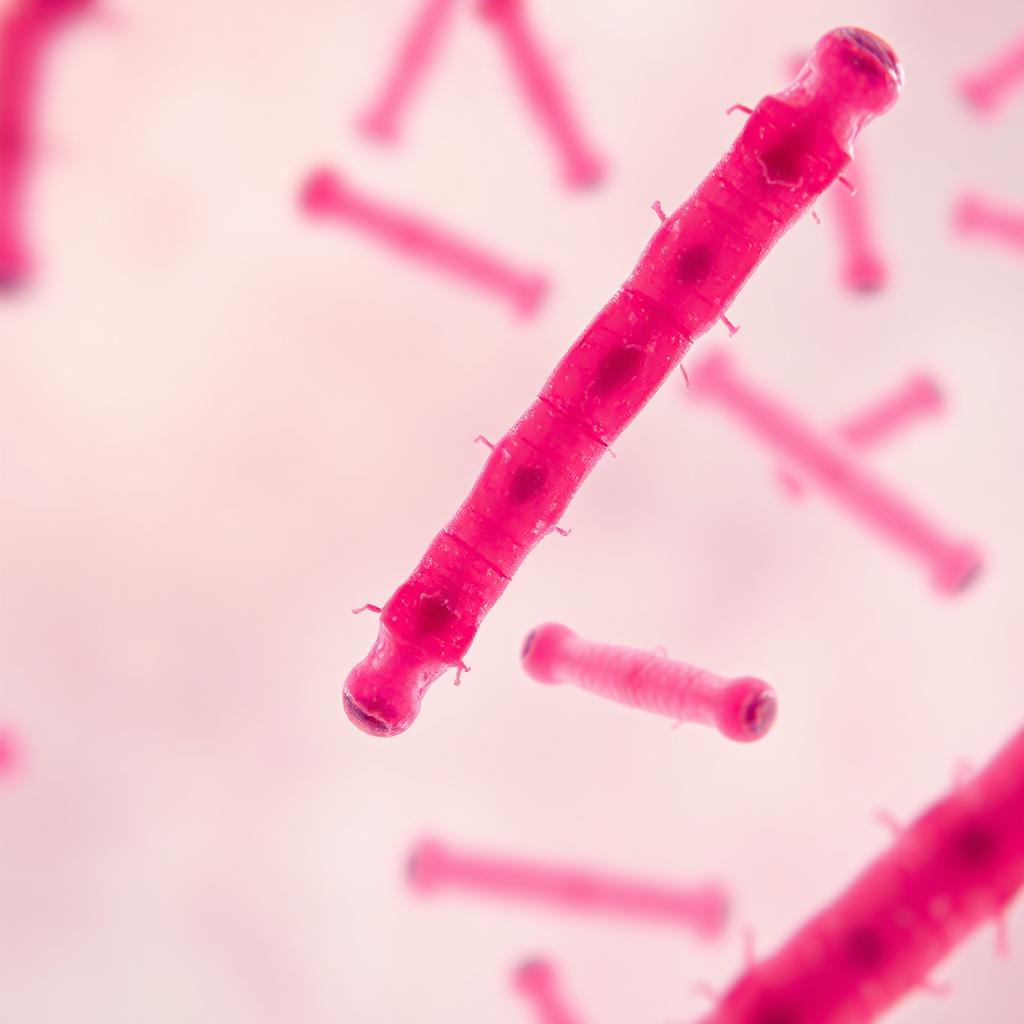
We live in a symbiotic relationship with our passengers unless we create a bad environment for them, which can make them hostile or starve off the good guys and feed the bad ones. This is not much different from our relationship with our environment. If the environment is healthy, we thrive; if it’s polluted, we develop all sorts of health issues and change as a consequence.
Let’s explore the role of the microbiome in improving fertility and pregnancy outcomes and how the healthy vaginal and gut microbiome, supported by probiotics, can positively influence various aspects of reproductive health.
Key Points and Evidence:
1. The Microbiome and Fertility
A study found that women with higher levels of vaginal Lactobacillus were more likely to conceive. It highlights that vaginal microbiota composition is an important factor in predicting pregnancy. The importance of a balanced microbiome (oral, gut and vaginal) for overall health, including reproductive health is paramount. It highlights that imbalances in these microbial communities can contribute to fertility issues.
2. The Microbiome and IVF Outcomes
A 2019 study by R. Koedooder et al. demonstrated that women with lower percentages of Lactobacillus in their vaginal samples were less likely to achieve successful embryo implantation. Furthermore, the study highlighted that the dominance of Lactobacillus crispatus was a significant factor in predicting pregnancy success.
The Lactobacillus genus is widely recognized as the predominant type of bacteria in a healthy vagina, which is why most related research focuses on strains from this species. Recent findings indicate that the composition of the vaginal microbiota before IVF treatment may be predictive of pregnancy outcomes. Analyzing women’s vaginal microbiomes prior to IVF could potentially enhance IVF success rates.
3. Vaginal Microbiome and Pregnancy
The lactobacillus-dominant vaginal microbiome is significant for successful conception and pregnancy. Lactobacillus bacteria produce lactic acid, which helps maintain a healthy vaginal pH, inhibiting the growth of harmful bacteria that can lead to infections and complications.
4. Bacterial Vaginosis (BV) and Fertility
Bacterial vaginosis (BV), a common vaginal infection caused by an imbalance in the vaginal microbiome, has been linked to fertility problems, including difficulty conceiving, increased risk of miscarriage, and preterm birth.
5. Microbiota in the Amniotic Fluid
For a long time, it was believed that the womb is a sterile environment for the developing baby, with the infant acquiring its microbiota from the mother during passage through the birth canal.
However, research has challenged this notion, revealing the presence of bacteria in the placenta, which are thought to transfer to the baby while still in utero. The implications of bacteria found in amniotic fluid are not yet fully understood, but a pathogenic infection in close proximity to a developing fetus could pose significant risks.
To explore whether the bacterial populations in amniotic fluid can be influenced by oral probiotic supplementation, a study by Rautava et al. (2012) involved 43 mother-infant pairs, with 29 pairs completing the study. Participants were randomized to receive either (1) B. lactis, (2) a combination of B. lactis and L. rhamnosus GG, or (3) a placebo for 14 days prior to their scheduled C-section.
Following birth, bacteria from the amniotic fluid and placenta were tested alongside the child’s gut microbiota. The results indicated that the babies exhibited gene expressions in their gut that could only have resulted from exposure to the specific bacteria present in the placenta and amniotic fluid. Based on these findings we can conclude that microbial contact in the womb may affect fetal and placental immunity and certain oral probiotic strains can reach the womb.
Therefore, taking oral probiotic supplements may help promote a healthy and beneficial bacterial environment in the womb furthering fertility and healthy pregnancy, rather than allowing for pathogenic bacteria that could cause infections, miscarriages and infertility.
6. Gingivitis and Infertility
A study by Aagaard et al. (2014) analyzed tissue samples from 320 placentas, identifying various microbial species. They discovered a specific bacterium, Fusobacterium nucleatum, which is typically found in the mouth. Aagaard proposed that this oral microbe’s presence in the womb and placenta could be explained by an earlier animal study that showed this bacterium can alter the structure of the host’s blood vessels, facilitating its movement through the bloodstream. This may also explain why conditions like gingivitis are considered risk factors for pregnancy complications.
7. Inflammation and Microbiome
Finnish researchers found that a milk drink containing specific probiotic strains significantly reduced C-reactive protein (CRP) levels in the blood, an important marker of excessive inflammation. In a 2006 study, Bifidobacterium lactis was shown to decrease another inflammatory marker known as TNF-alpha.
Moreover, a recent cohort study with over 33,000 women in Norway indicated that consuming a particular probiotic dairy drink lowered placental inflammation. Since placental inflammation can lead to complications like pre-eclampsia, reducing it can minimize the risk of birth defects and miscarriages. It’s fascinating that a simple probiotic dairy drink might have such profound effects in soothing placental inflammation and thereby helping to protect a developing fetus.
8. Hormones and Microbiome
A 2014 study published in “Seminars in Reproductive Medicine” highlighted that inflammation can disrupt the balance of our key steroid hormones, estrogen and progesterone. This inflammation can result in estrogen dominance and a relative deficiency of progesterone.
Progesterone is crucial for preparing the uterine lining for pregnancy and for maintaining it, especially during the first 8-10 weeks until the placenta begins producing progesterone. As a result, low progesterone levels are often observed in women experiencing fertility challenges and are frequently associated with early miscarriage.
Many clinical trials have shown that probiotic supplementation is effective in reducing systemic inflammation. These studies have explored various inflammatory markers in the blood and how they can increase or decrease through the use of probiotics.
9. Probiotics for BV
Probiotics, particularly those containing Lactobacillus strains, can help restore a healthy vaginal microbiome and prevent or treat BV, potentially improving fertility outcomes.
10. Gut Microbiome and Fertility
The gut microbiome influences hormone regulation, immune function, and inflammation, all of which can impact reproductive health.
11. Probiotics and Gut Health
Probiotics can help improve gut health by promoting a balanced gut microbiome, reducing inflammation, and supporting optimal nutrient absorption, potentially indirectly benefiting fertility.
12. Specific Probiotic Strains
Specific Lactobacillus strains that have shown promise in supporting vaginal health and preventing BV, are Lactobacillus rhamnosus GR-1® and Lactobacillus reuteri RC-14®.
13. Diet and Lifestyle
A healthy diet and lifestyle support a balanced microbiome and overall fertility. You can’t only rely on taking probiotics. If you eat refined food full of trans fats, sugar, artificial colors, artificial sweeteners, drink alcohol, drink sugary sodas, drink unfiltered tap water full of chemicals including bacteria-killing chlorine among others, eat food full of antibiotics and pesticides and herbicides you can’t expect to have a healthy microbiome and a small capsule of probiotics will not fix this as those good guys will die in that environment. Probiotic supplementation is like a dot on the “I” it only enhances the environment you create with your diet and lifestyle and your thoughts.
Overall Conclusion
Right probiotics may be a valuable tool for women trying to conceive by supporting a healthy vaginal and gut microbiome. It’s important to choose probiotic strains specifically formulated for vaginal health and consult with a healthcare professional trained in natural health for personalized advice which will encompass your diet, lifestyle and mindset.