

How a Plant-Based Diet Can Enhance Fertility
Embarking on the journey to parenthood can be exhilarating yet challenging, especially when faced with fertility obstacles. Increasingly, couples are exploring how dietary choices impact fertility, with many turning towards a plant-based diet and fertility enhancement as a viable path. This article delves into the scientific underpinnings and practical applications of adopting a vegan or vegetarian diet to boost fertility. By incorporating expert research, nutrient-rich recipes, and real-life success stories, we aim to provide you with a comprehensive guide on making impactful dietary changes.
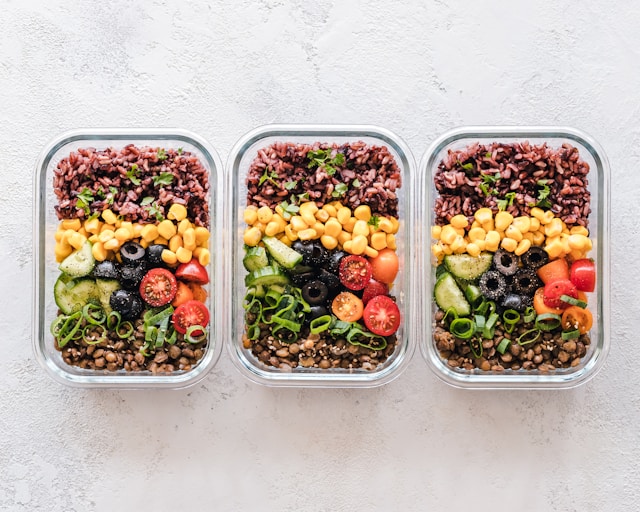
Understanding Fertility and Nutrition
Fertility and nutrition are closely connected. A well-balanced diet rich in essential nutrients significantly influences reproductive health. For both men and women, what you eat affects your hormonal functions and reproductive system. Plant-based diets are particularly beneficial because they are high in fiber and packed with nutrient-dense foods. These diets not only support maintaining a healthy body weight but also reduce inflammation—both of which are crucial for optimal fertility.
Plant-based foods are abundant in antioxidants, which protect the body from oxidative stress, a known disruptor of reproductive health. They also provide a wide array of vitamins and minerals necessary for hormonal balance. For instance, B vitamins found in whole grains and leafy greens aid in regulating estrogen and progesterone levels, which are vital for conception.
Moreover, these diets typically lower the intake of harmful fats and substances found in processed foods, which can negatively impact fertility. By emphasizing whole, unprocessed foods, plant-based eaters generally consume higher levels of beneficial nutrients with fewer calories—this aids in weight management, another key aspect of fertility. Optimal body weight can enhance reproductive functions and increase the chances of a successful pregnancy.
The Science Behind Plant-Based Diets and Fertility
Research consistently shows that plant-based diets have a positive impact on fertility. A comprehensive study published in the Journal of Clinical Medicine found that diets rich in fruits, vegetables, nuts, seeds, and whole grains are linked to improved fertility outcomes in both men and women. These foods enhance reproductive health by providing essential nutrients and reducing bodily inflammation, which can affect conception.
Further insights from Reproductive Biology and Endocrinology reveal that vegetarian diets specifically boost sperm quality. Key factors like sperm motility and concentration—critical for successful conception—are often improved in individuals following a vegetarian diet. This enhancement is likely due to higher intake of antioxidants and fewer saturated fats, which positively affect sperm health.
Moreover, plant-based diets are associated with better ovarian function in women. They help regulate menstrual cycles and improve the quality of eggs produced. Studies suggest that women who consume more plant-based foods have a reduced risk of fertility issues such as polycystic ovary syndrome (PCOS) and endometriosis, both of which can hinder the ability to conceive.
These scientific findings underscore the importance of considering a plant-based diet as a potential strategy for couples looking to improve their fertility. By focusing on nutrient-rich, plant-based foods, individuals can create a favorable environment for conception, backed by solid scientific evidence.
Nutrient-Rich Vegan Foods for Fertility
A plant-based diet offers a variety of essential nutrients that support fertility. Key nutrients include folate, iron, zinc, and omega-3 fatty acids. These nutrients are found abundantly in plant-based foods and play crucial roles in reproductive health:
- Folate: This vitamin is essential for DNA synthesis and repair, crucial during egg maturation and fertilization. Foods like spinach, asparagus, and Brussels sprouts are rich in folate, providing a steady supply for those aiming to conceive.
- Iron: Iron is vital for ovulation and maintaining healthy menstrual cycles. Deficiencies in iron can disrupt reproductive functions. Lentils, tofu, and quinoa offer excellent sources of iron, ensuring balanced ovulation and healthy blood levels.
- Zinc: Zinc supports hormonal balance and the production of sex hormones. It is essential for both male and female fertility. Pumpkin seeds, chickpeas, and cashews offer substantial amounts of zinc, contributing to balanced hormone levels and aiding reproductive processes.
- Omega-3 Fatty Acids: These fats are important for hormone production and inflammatory control, both crucial for fertility. Flaxseeds, chia seeds, and walnuts provide plant-based omega-3 sources, enhancing overall reproductive health.
By integrating these nutrient-rich foods into their diet, individuals can improve their reproductive health and increase their chances of conception.
Vegan Diet and Male Fertility
A vegan diet can positively impact male fertility. Plant-based diets are rich in antioxidants that protect sperm from oxidative stress. This reduces DNA damage and enhances sperm health. Here’s how:
- Sperm Concentration: A vegan diet can improve sperm concentration, providing a greater quantity of viable sperm for conception. This is likely due to the diet’s rich variety of antioxidants, which protect against cellular damage.
- Sperm Motility: The movement and swimming ability of sperm are essential for successful fertilization. Studies show that vegan diets improve sperm motility, possibly due to a reduction in saturated fats and an increase in beneficial nutrients.
- Hormonal Balance: Plant-based foods contain phytoestrogens and other compounds that help regulate hormonal balance. This regulation can contribute to healthier sperm production.
Overall, a vegan diet provides significant benefits to male reproductive health, making it a viable option for couples seeking to boost their fertility. The combined effects on sperm concentration, motility, and hormonal balance underscore the potential of plant-based diets to improve male fertility outcomes.
Vegan Fertility Recipes
Incorporating fertility-enhancing nutrients into your daily meals can be both delicious and beneficial. Here are a few vegan recipes designed to boost fertility through their rich nutrient profiles:
- Quinoa and Black Bean Salad: This dish is a powerhouse for zinc, a mineral essential for sperm health and overall reproductive function. Quinoa provides a complete protein profile, while black beans add fiber and additional protein, making this salad not only nutritious but also filling.
- Spinach and Walnut Pesto Pasta: Rich in folate and essential fats, this pasta is perfect for those looking to increase their intake of nutrients crucial for cell division and DNA synthesis. The walnuts add omega-3 fatty acids, which are vital for hormonal balance and reducing inflammation.
- Chickpea and Pumpkin Seed Falafel: This snack is not only flavorful but also packed with zinc and iron. Chickpeas provide a solid protein base, and pumpkin seeds are known for their hormone-balancing properties, making these falafels an excellent addition to your fertility diet.
These recipes ensure that you’re not just eating well but are also targeting key nutrients that can aid in improving reproductive health.
Addressing Common Concerns and Misconceptions
When adopting a vegan diet, it’s common to encounter concerns regarding protein and vitamin B12 deficiencies. Here are strategies to address these issues effectively:
- Protein: It’s a myth that plant-based diets lack protein. Many plant foods provide ample protein. Lentils, beans, quinoa, tofu, and tempeh are excellent protein sources. It’s important to include a variety of these in your diet to ensure a full range of essential amino acids.
- Vitamin B12: This nutrient is crucial for nerve function and the production of DNA and red blood cells. Since B12 is not typically found in plant foods, it is vital to use fortified foods or supplements. Fortified plant milks, nutritional yeast, and B12 supplements can ensure adequate intake.
By carefully planning your diet and ensuring that you include diverse food sources and necessary supplements, you can maintain a healthy, nutrient-rich vegan diet that supports your fertility goals. It’s essential to consult with a healthcare provider or a dietitian to tailor your diet to your specific needs, especially when planning for pregnancy.
Conclusion
Adopting a plant-based diet could be a transformative step towards improving your fertility. With a focus on nutrient-rich, whole foods, a vegan or vegetarian diet offers a plethora of health benefits that extend beyond fertility, enhancing overall well-being. As you consider dietary changes, remember the power of food as medicine and the profound impact it can have on your journey towards parenthood.
Ready to transform your fertility journey with natural solutions? Go here to join our free fertility masterclass today!
WELL DONE! You have successfully unlocked the PDF download link.
Click here to download the PDF.
Click here to download the PDF.
Share this article
About the Author: NFP Editorial Team
The NFP Team is composed of seasoned professionals in the field of natural health and reproductive wellness. With diverse qualifications ranging from Naturopathy and Reproductive Medicine to Evidence-Based Medicine and Integrative Health, the team brings together a wealth of knowledge and experience. Collectively, they have decades of hands-on experience in treating a myriad of health conditions with a focus on fertility and reproductive issues. Their scientifically grounded approach combines modern medicine with traditional practices, ensuring a holistic healthcare model. The team’s articles, videos, guides, and reports are meticulously researched and designed to provide actionable insights for couples on their path to parenthood. Rest assured, the information presented is rooted in science and honed by the practical, real-world experience of the NFP team members.